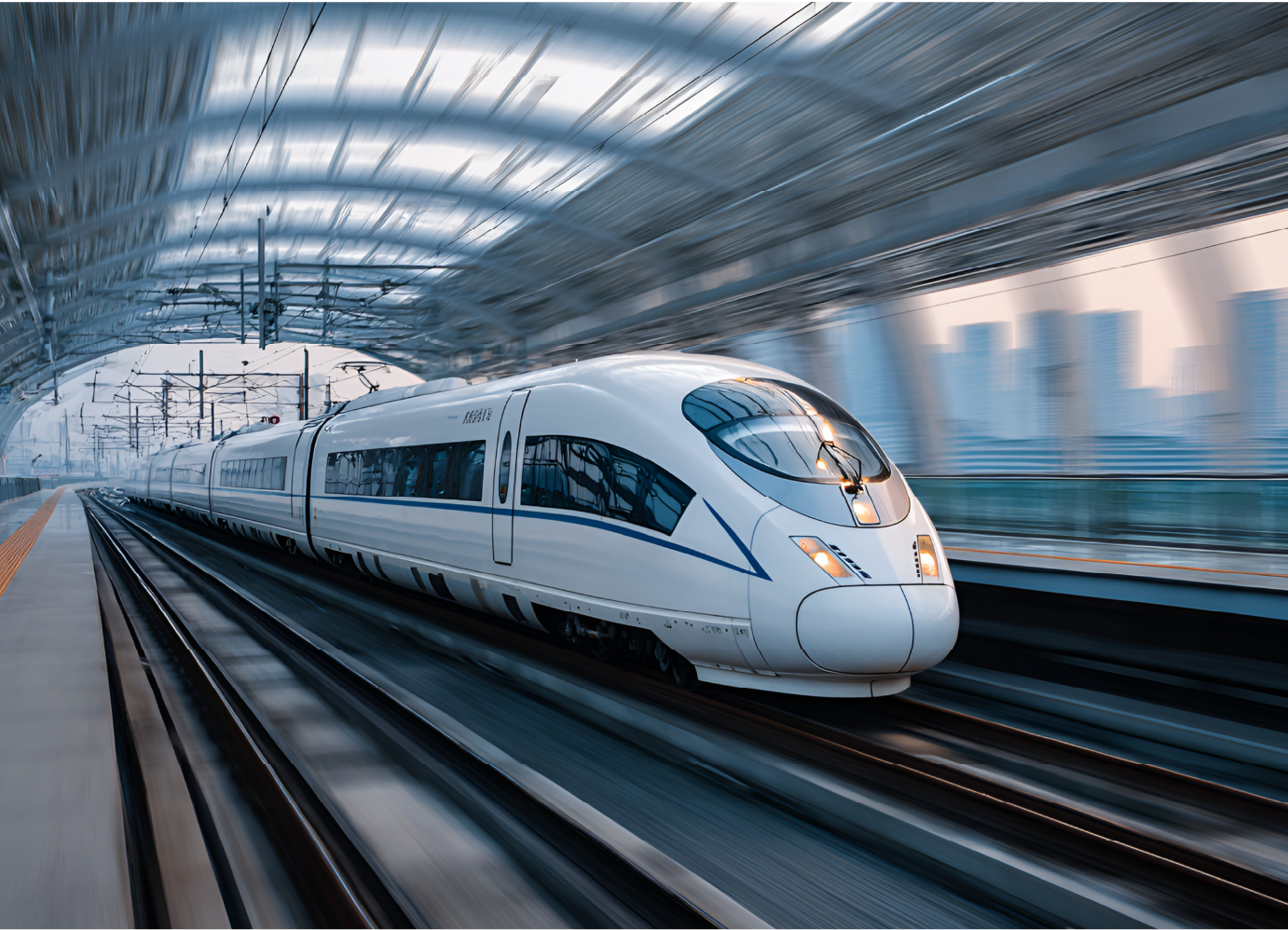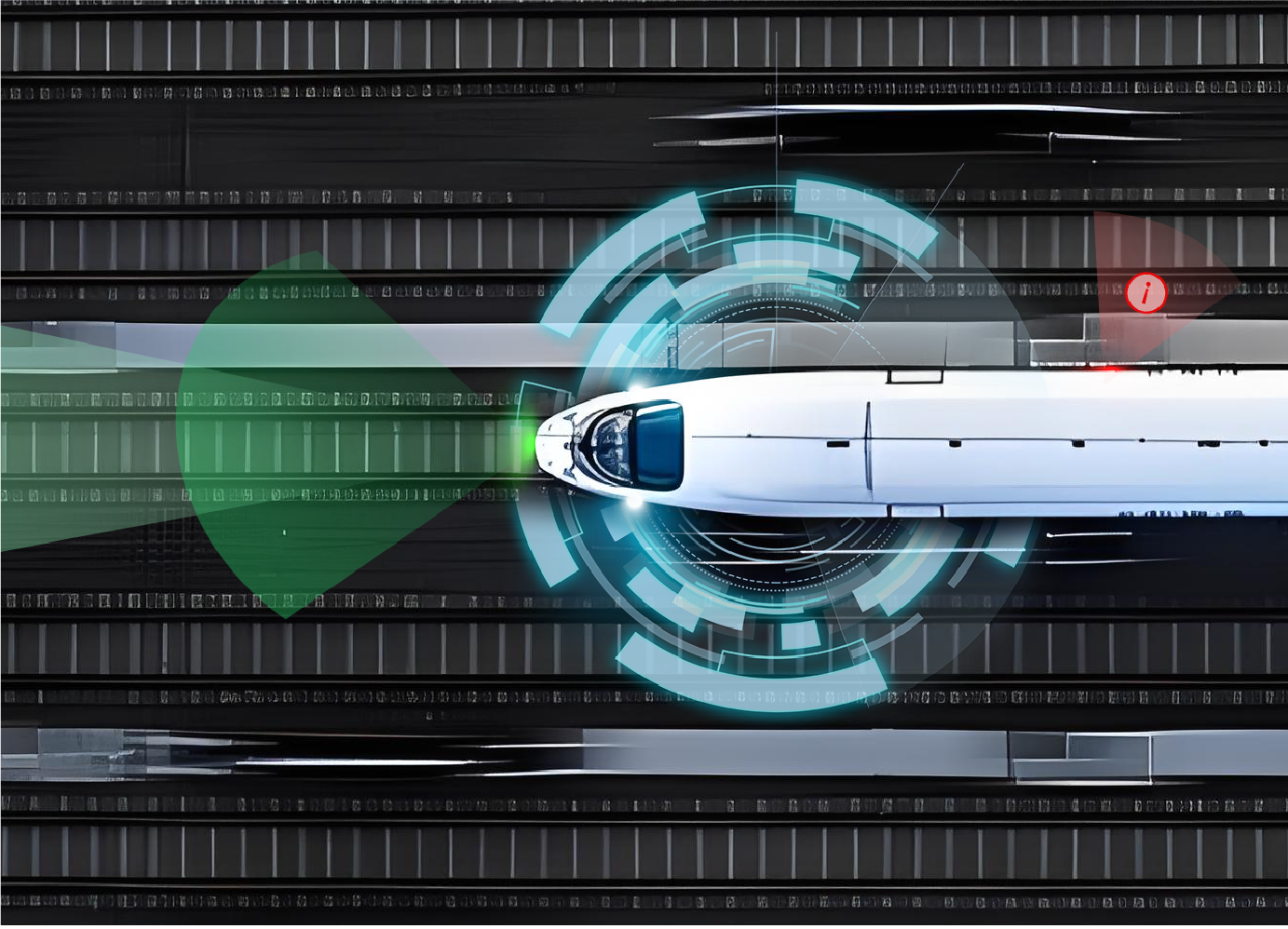


ALG-TECH provides comprehensive visual perception solutions for rail transit, applicable in scenarios such as train-assisted positioning, platform monitoring, and visual inspection of infrastructure.
ALG-TECH leverages its mature technological expertise from the autonomous driving domain to provide rail transit with comprehensive products and services covering perception, computation, and testing. By integrating deep learning algorithms with multi-source data synchronization technology, it enables high-precision train positioning and navigation, track obstacle monitoring, and autonomous operation in GPS-denied environments. These solutions are suitable for scenarios such as train autonomous driving and rail inspection robots, contributing to enhanced operational safety and intelligent efficiency in rail transit.

Precise Perception in Complex Environments
Featuring an ultra-wide dynamic range exceeding 120dB, it delivers stable, clear image output under drastic lighting variations like dim tunnels and intense outdoor light. This ensures perception reliability for tasks including train-assisted positioning and rail inspection.

Multi-Modal Fusion Perception
Combines the strengths of binocular stereo vision for spatial modeling with the high-penetration detection of radar. Microsecond-level spatiotemporal data synchronization enhances the reliability of obstacle recognition and track condition monitoring in complex environments.

Automotive-Grade Stability and Reliability
Built to automotive-grade standards with an IP67 protection rating, it withstands vibration, shock, and extreme temperatures from -40℃ to 85℃. It is fully adapted to the harsh environments of train operation and long-term outdoor trackside deployment, ensuring continuous and stable performance.

High Computing Power and Compatibility
Leverages X86 architecture and high-performance computing platforms for real-time processing of multi-source sensor data. It supports the ROS platform and integration with various sensor types, providing SDKs for secondary development to reduce integration complexity.